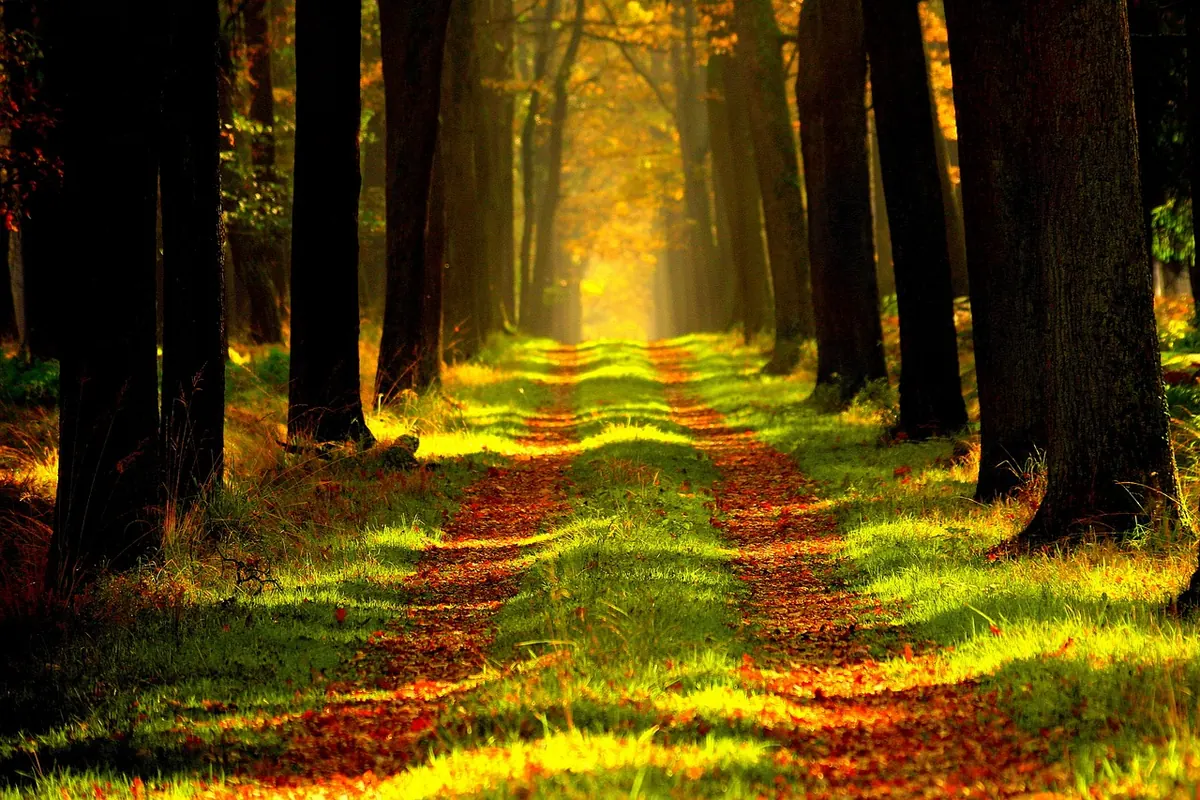
Summer Trail Checklist for Hot, Humid Woodlands
A hot, humid woodland is not the same as a hot beach. The air feels thick, sweat sits on the skin instead of drying, and the trail itself seems to hold the moisture. Ferns brush your legs, the canopy traps the warmth, and a short climb can leave you wetter than a longer walk on an open ridge. That is why summer woodland walking rewards a little planning. Not a military-style operation, just a handful of decisions made before you leave the house and repeated as you go.
This checklist is for the ordinary walker: the half-day loop, the dog-friendly path, the forest track you know well enough to trust but not well enough to take for granted. Use it as a seasonal reset. The aim is simple: stay comfortable, keep the insects at bay, and finish with enough energy to want another walk later in the week.
Plan Around the Day, Not Just the Trail
In humid woods, timing matters more than distance. A route that feels easy in April can feel like hard work in July at two in the afternoon. The canopy may keep off the direct sun, but it also slows air movement and holds moisture close to the ground. Start earlier than you think you need to, or save the walk for the evening when the worst of the heat has passed.
Check the forecast for humidity as well as temperature. A day that looks mild on paper can feel sticky under trees, especially after rain. If storms are forecast, choose a shorter woodland loop with easy exit points rather than a remote route with long exposed sections. After heavy rain, expect mud, slick roots, and more insects near standing water. That is not a reason to stay home; it is a reason to wear the right footwear and allow extra time.
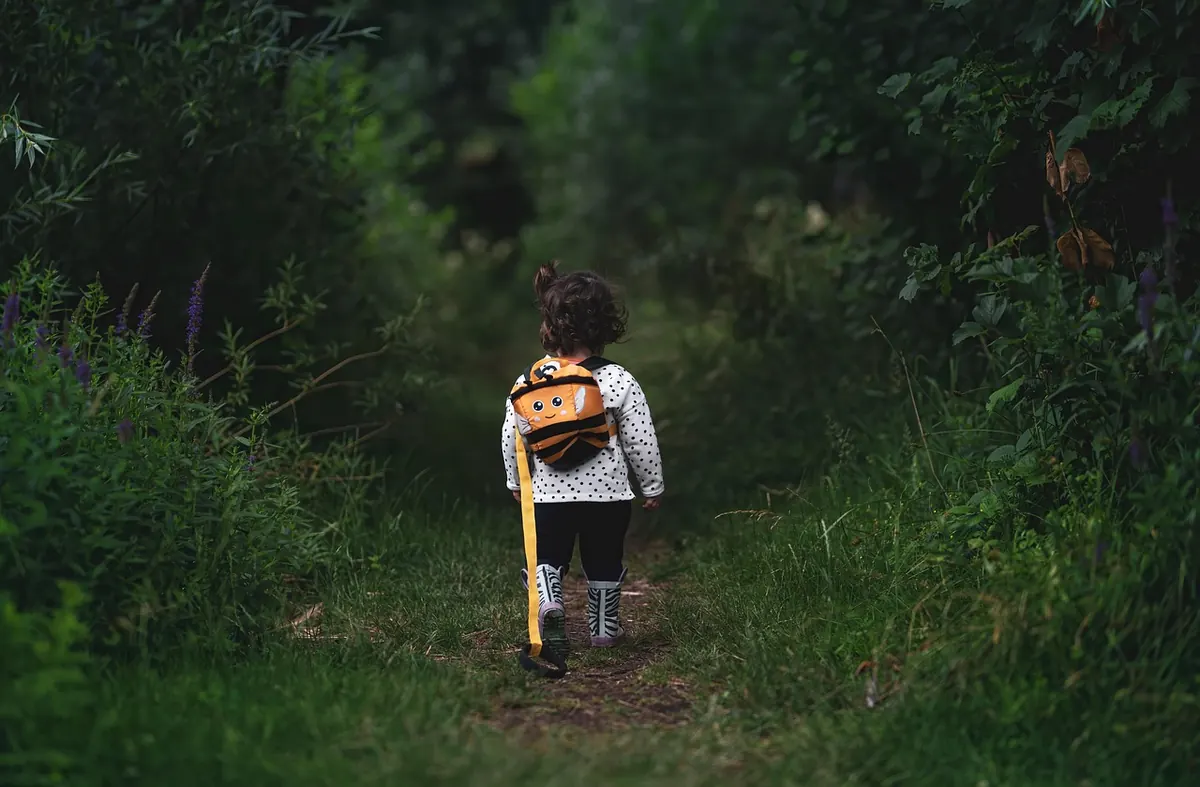
If you are walking with children, older relatives, or a dog, be honest about the pace. Dogs overheat easily in humid weather, and a woodland path offers little breeze. Choose a route with shade, water access, and a clear turnaround point. Better a short walk that ends well than a long one that becomes a rescue mission.
Carry Water You Will Actually Drink
Hydration is not about carrying a heavy bottle to tick a box. It is about drinking steadily before you feel parched. In humid conditions, sweat does not always evaporate quickly, so you may not notice how much fluid you are losing. Set a simple rhythm: drink before you set off, take a few mouthfuls at each shade break, and finish the bottle before you reach the car.
A practical carry plan for a summer woodland walk looks like this:
- One bottle within easy reach, not buried at the bottom of the pack.
- A second bottle for longer loops, shared between two people if needed.
- A small salty snack for walks over an hour, especially if you sweat heavily.
- Water for the dog in a collapsible bowl, plus a rest stop in shade.
- A refill point planned in advance if the route passes a safe tap or visitor centre.
Avoid relying on streams or ponds for drinking water. Woodland water may look clear and still carry risks. If you use electrolyte tablets or mixes, follow the packet instructions and test them at home first. If you have a medical condition, take medication that affects hydration, or are unsure how much you should drink in heat, ask a qualified health professional for advice before heading out.
Dress for Damp Heat, Not the Beach
Summer woodland clothing has one main job: help you stay as dry and comfortable as the weather allows. Loose, light layers work better than tight fabrics. A breathable long-sleeve shirt and light trousers may feel counterintuitive in heat, but they protect against scratches, nettles, and insect bites. If you prefer shorts, check your legs more carefully at the end of the walk.
Footwear matters on humid trails. Roots and stones stay slick under shade, and mud after rain can be worse than it looks. Wear shoes with grip, and choose socks that wick moisture rather than hold it. A spare pair of socks in the car is a small luxury after a sweaty walk. A wide-brimmed hat or light cap helps, but do not forget the back of your neck. In dense woodland, a small towel is worth its weight for wiping your face and drying your hands before you handle food or a phone.
Make Insect Protection a Routine
Insects are part of woodland life, not a sign that you have chosen the wrong trail. Still, a few habits make bites less likely. Use insect repellent as directed on the label, especially on ankles, wrists, and the back of the neck. Wear light-coloured clothing where possible, tuck trousers into socks in tick country, and avoid strong perfumes or scented lotions that can attract attention.
At breaks, do a quick check. Look at your arms, legs, and waistband. Check children and dogs too, particularly around the ears and neck. After the walk, change out of damp clothing and check again in a mirror. If you find a tick attached, remove it carefully with fine-tipped tweezers and clean the area; if you are unsure or develop symptoms afterwards, seek medical advice. Keep repellent and a tick removal tool in your pack so they are there when you need them, not left on the kitchen table.
Walk Slower, Stop More, Use the Shade
Humidity changes the rhythm of a walk. The same incline that you power up in spring may deserve a slower gear in summer. Start conservatively, shorten your stride on climbs, and take breaks before you feel desperate for one. Shade is not a luxury; it is part of the route plan. A five-minute stop under a beech tree, with water and a snack, can reset your energy for the next section.
Use cooling points when you find them: a breeze at a clearing, a bench near a stream, a bridge with air moving underneath. Loosen your pack, wipe your face, and let your breathing settle. If someone in the group feels dizzy, unusually tired, or stops sweating in a way that worries you, stop in shade, cool down, and seek help. Do not push on to finish a route just because it is on the map. Turning back is a sensible trail skill.
The Five-Minute Pre-Trail Check
Before you step onto the path, run through a short check. It takes less time than finding a missing water bottle halfway up a climb.
- Water filled and within reach; snack packed.
- Repellent, tick tool, and a small towel in the pack.
- Route shared with someone at home; phone charged or map packed.
- Footwear gripped and socks dry; spare socks in the car.
- Timing set for early morning or evening, with a turnaround deadline.
Then adjust the plan to the day in front of you. Hot, humid woodlands are beautiful in their own way — green, close, and full of small sounds — but they ask for a slower, more deliberate kind of walk. Carry less than you would in winter, drink more than you think, and let the shade set the pace. You will come back cooler, calmer, and ready to do it again.
Photo: JonPauling / Pixabay

How to Season Fallen Wood for Simple Woodland Crafts
A fallen branch can become a spoon, a hook or a walking stick, but only if it dries slowly and properly....
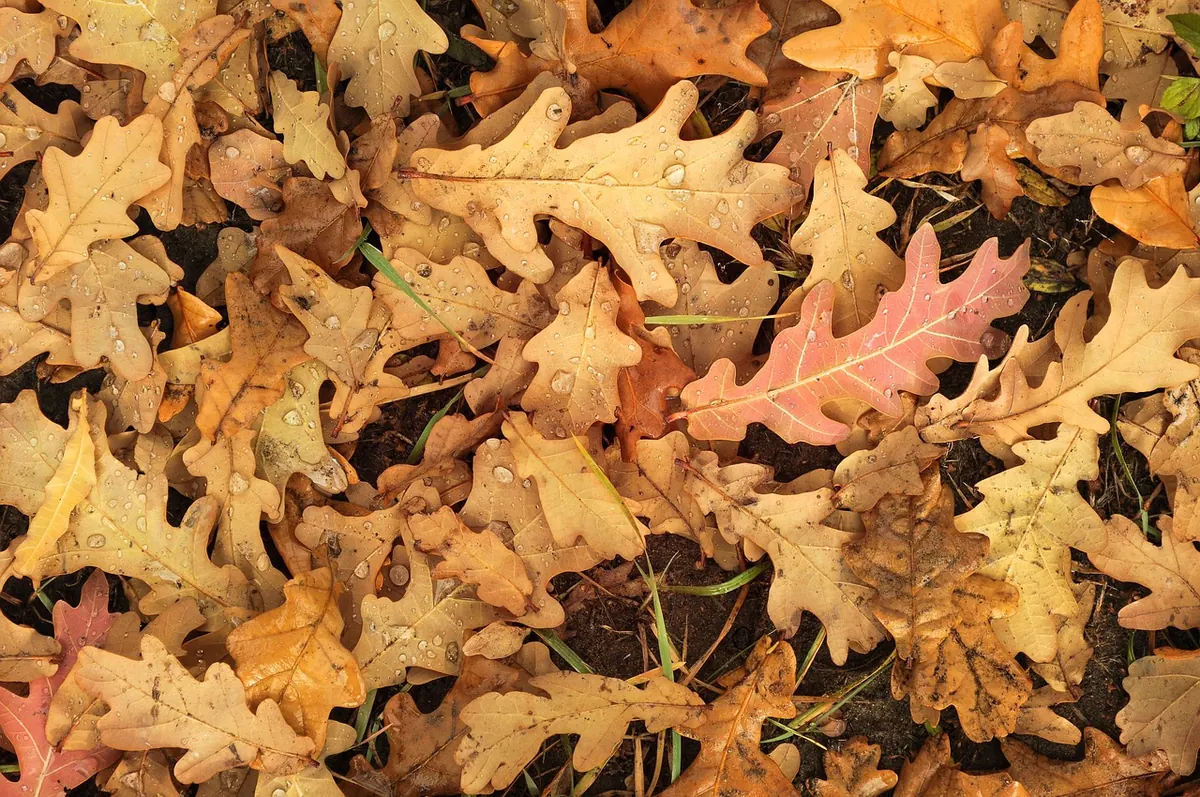
Autumn Leaf Litter: A Field Guide to What It Tells You
What fallen leaves reveal about tree species, soil moisture, fungal decay and the turning season — plus a...