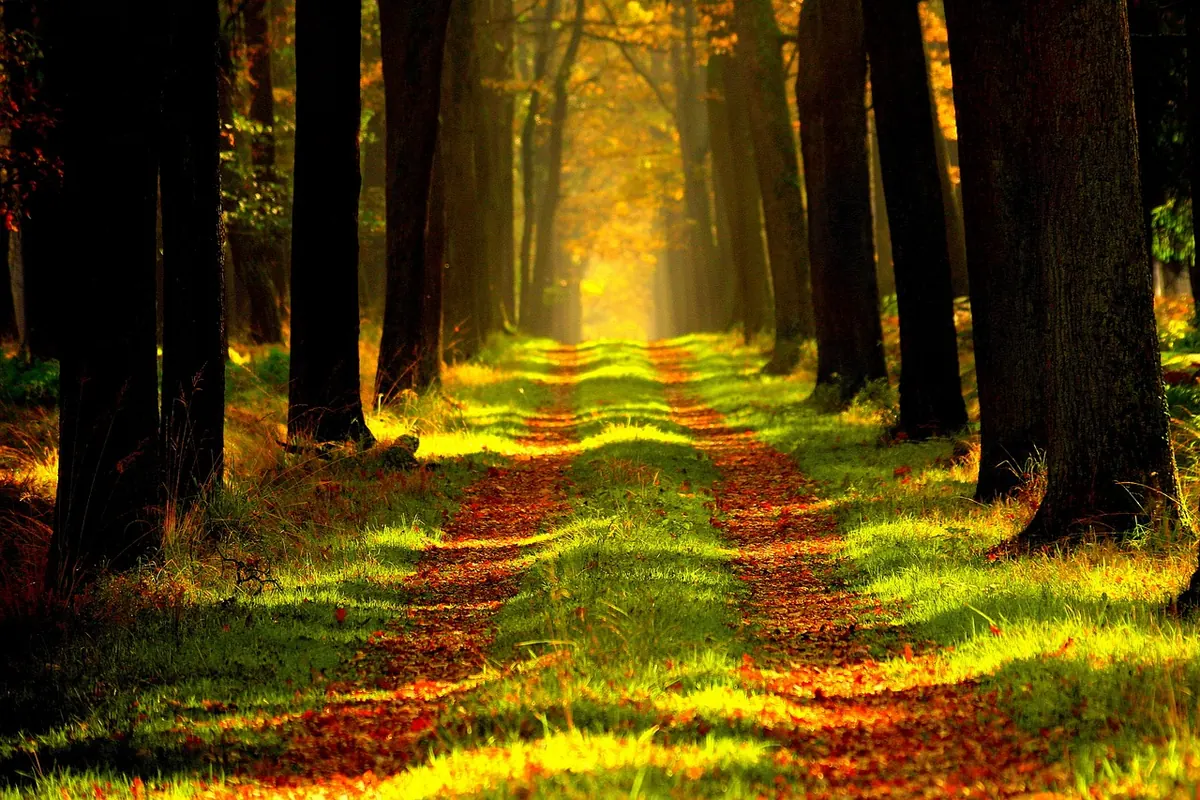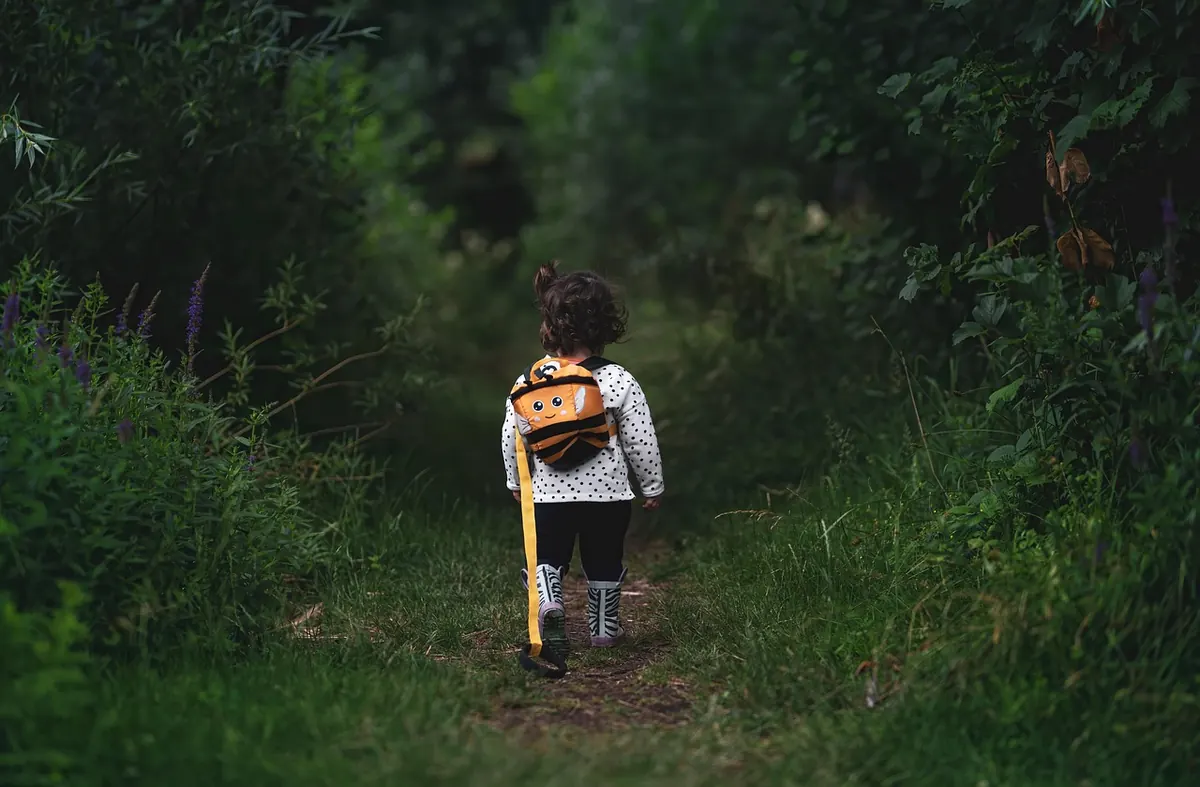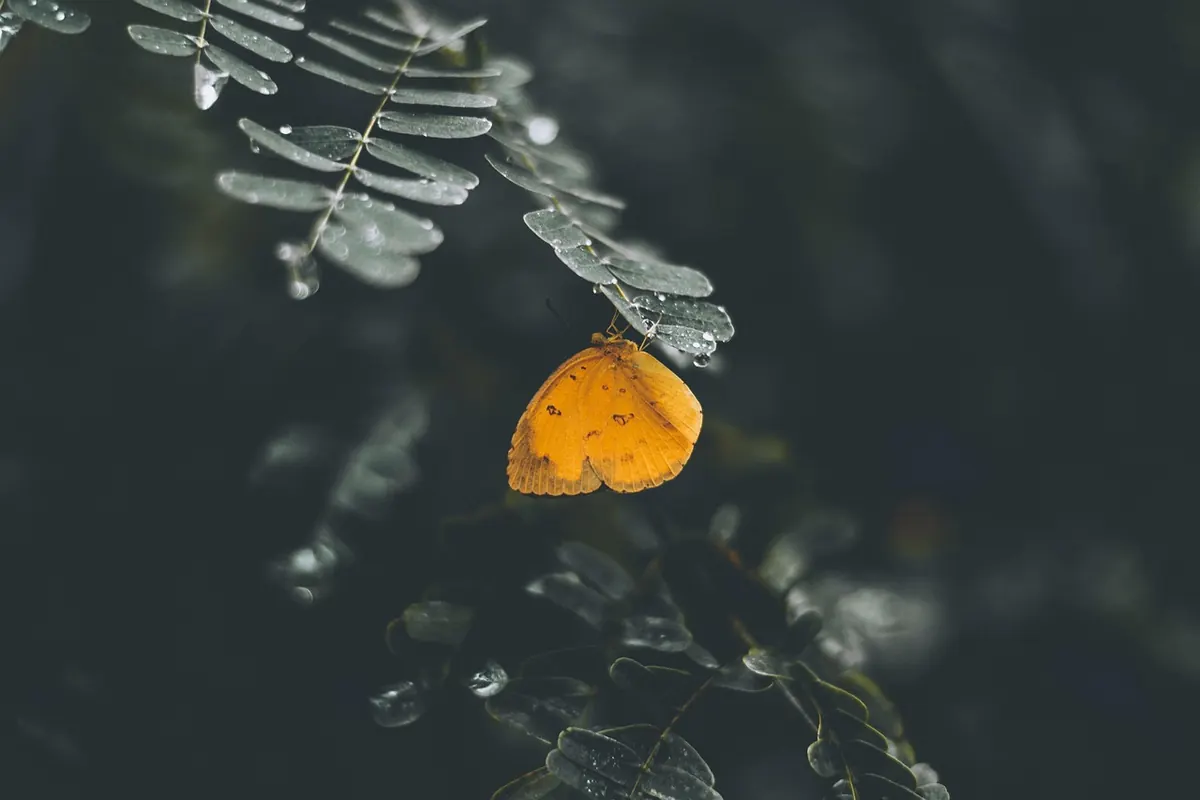
Why Forests Sound Different After Rain
The rain stops and the wood changes register. The last fat drops come down from the canopy at intervals, each one landing somewhere different: a beech leaf, a puddle, the flat top of a boulder. A blackbird starts up from a low branch, two notes and then a phrase. And your boots, which crunched the whole way up the hill, have gone quiet. Something has been subtracted and something added, and it takes a few minutes to work out which is which.
Wet woodland is one of the best listening environments in the outdoors, precisely because it is a broken one. The surfaces you walk past, the ground beneath you and the animals around you all behave differently once water is involved. Learn what each of those changes does to the sound and the forest becomes readable by ear.
Wet leaves become a different instrument
Dry leaves are stiff and brittle. When wind moves through them they rattle against each other in short, sharp collisions, which is where that familiar rushing crackle comes from—a bright, high-frequency sound with a lot of fine detail in it. Soak the same leaves and the physics changes. A film of water adds weight, softens the edges of each leaf, and lets them slide rather than scrape. The crackle goes; a low, papery shifting takes its place, more like cloth than paper.
Leaf shape decides how much water a tree holds and where it puts it. Broad leaves with drip tips—beech, lime, ash—shed water in directed streams, so a light shower barely penetrates to the ground and the canopy above you stays busy for a long time afterwards. Downy or waxy surfaces hold droplets in place until they grow heavy enough to fall. Conifer needles catch water in fine beads and release it slowly, which is why a spruce wood after rain sounds less like a wood and more like a leaking roof.
Underfoot, the change is just as clear. Dry leaf litter is a broadband crunch that tells you exactly where your feet are. Wet litter is a whisper, and wet moss is quieter still—it is a sponge, and sponges do not clatter.
The ground turns from a drum into a sponge
Soil in dry weather is full of air. A boot compressing it produces a sharp, percussive report. Once the pore spaces fill with water, that same boot is pushing water around instead of air, and the sound collapses into a soft squelch. The whole trail loses its percussion section. Footfalls that you could hear from fifty metres away become almost private.
The exception is standing water. Puddles, wet rock slabs and the hard-packed middle of a path reflect high frequencies that would otherwise be absorbed by soil and moss, so a wet path can sound strangely open and bright, with a small echo behind each step. Splashes carry. If you are trying to move quietly after rain, the dry edge of the trail is usually your friend and the puddles are not.
Running water adds the other new layer. Rills appear in places that were silent an hour earlier, and drainage gullies and ditches turn into broadband hiss that masks everything behind them. This is the main reason a soaked forest sounds so much bigger: you can hear water moving twenty metres away, but you cannot hear a wren at ten.
Canopy drips keep time
Drips outlast the rain. A canopy can hold a surprising volume of water and release it for a long time after the clouds have gone, funnelling it down branches and trunks to a handful of fixed drip points. Stand under an oak ten minutes after a shower and you will be hit by drops that have travelled from the crown; stand under it an hour later and you may still catch the occasional one.
Listen to them for a minute and a pattern emerges. The rhythm is irregular but not random—drops fall from fixed places at roughly steady intervals, so the forest acquires a loose, ticking pulse. Each landing surface has its own voice:
- On water: a small, pitched plink, made by a bubble of air trapped and collapsing under the surface. This is why a drip into a puddle has a note to it at all.
- On stone: a flat, toneless tap with no resonance.
- On leaf litter: almost nothing, a soft tap swallowed immediately.
- On moss or bare soil: a dull thud, low and brief.
That difference is a free map of what is above your head. Close your eyes and you can locate the puddle before you see it.
The forest after rain is not quieter. It is differently loud, and most of the loudness has moved out of your way.
Where the birds went, and why they come back
Silence during a shower is not absence. Small birds shelter in dense shrubs, on the lee side of trunks, under the low, thick branches of conifers. Some keep singing through light rain; in heavy rain almost everything stops. When it eases, the wood restarts quickly—first contact calls, then song, then foraging. Blackbirds, robins and wrens are often the early movers, and a wren's dry, rapid chatter cutting through a wet wood is one of the small pleasures of a rainy walk.
Movement through the canopy is also quieter, and mostly for a botanical reason rather than an ornithological one. Wet foliage does not rustle. A bird working through soaked twigs displaces leaves that slide instead of clatter, so the sound of activity drops even though the activity has not.
Insects are the other half of the story. Cool, wet conditions keep many of them down, which strips the high-frequency hum out of the air and lets the low layers of the soundscape come forward: wind in gaps, water in gullies, your own breathing. In warmer weather, the reverse happens—rain pools and damp ground bring out midges and frogs, and a summer evening after a storm can be considerably louder than a dry one.
Sound travels, and the background drops away
Weather affects sound in the air as well as on the ground. Humidity and temperature change how strongly air absorbs different frequencies, and the cool, settled air after a front can bend sound over distances, sometimes making far-off noises unexpectedly clear and sometimes muffling them. These effects are real but subtle; what you notice most is probably simpler.
Rain empties the woods of people. Traffic thins, machinery stops, no one is on the trail behind you. With less masking noise, the quiet details that were always there become audible—a woodpecker two valleys over, a stream you have never noticed, the tick of a branch against another. Your ear adjusts within minutes, and what felt silent begins to fill in.
A short field guide to listening after rain
You do not need special equipment, but timing and a few habits make a large difference.
- Go out while it is still dripping. The twenty minutes after a shower is the richest window: canopy drips are at their peak and the birds are just starting.
- Start on an edge, then go in. Stand at the woodland margin first. Hedges and scrub hold the birds; the interior holds the water.
- Stop for a full minute. Not twenty seconds. Drip patterns and bird calls both run in cycles longer than a quick pause.
- Walk the same trail dry and wet. The comparison is the lesson. A path you know on a still, dry day will sound like a different place after rain.
- Listen in three layers: canopy above, birds and midges at ear height, water and footsteps below. Most people hear only the middle one.
- Keep your hood down when it is safe to do so. Fabric over the ears cuts the high frequencies that carry most of the detail.
- Watch your own noise. Avoid puddles and gravel; walk on leaf litter, moss or grass—wet, soft ground is quiet ground.
Wear proper footwear and mind slippery roots and rock slabs, which are far more treacherous wet than dry; a wet wood is not the place for a rushed descent. And if the rain returns, that is not a reason to leave—it is a chance to hear the transition itself, the moment the crackle of leaves is replaced by a soft, held breath, and the birds go quiet one by one.
Photo: likedok88 / Pixabay

How to Season Fallen Wood for Simple Woodland Crafts
A fallen branch can become a spoon, a hook or a walking stick, but only if it dries slowly and properly....
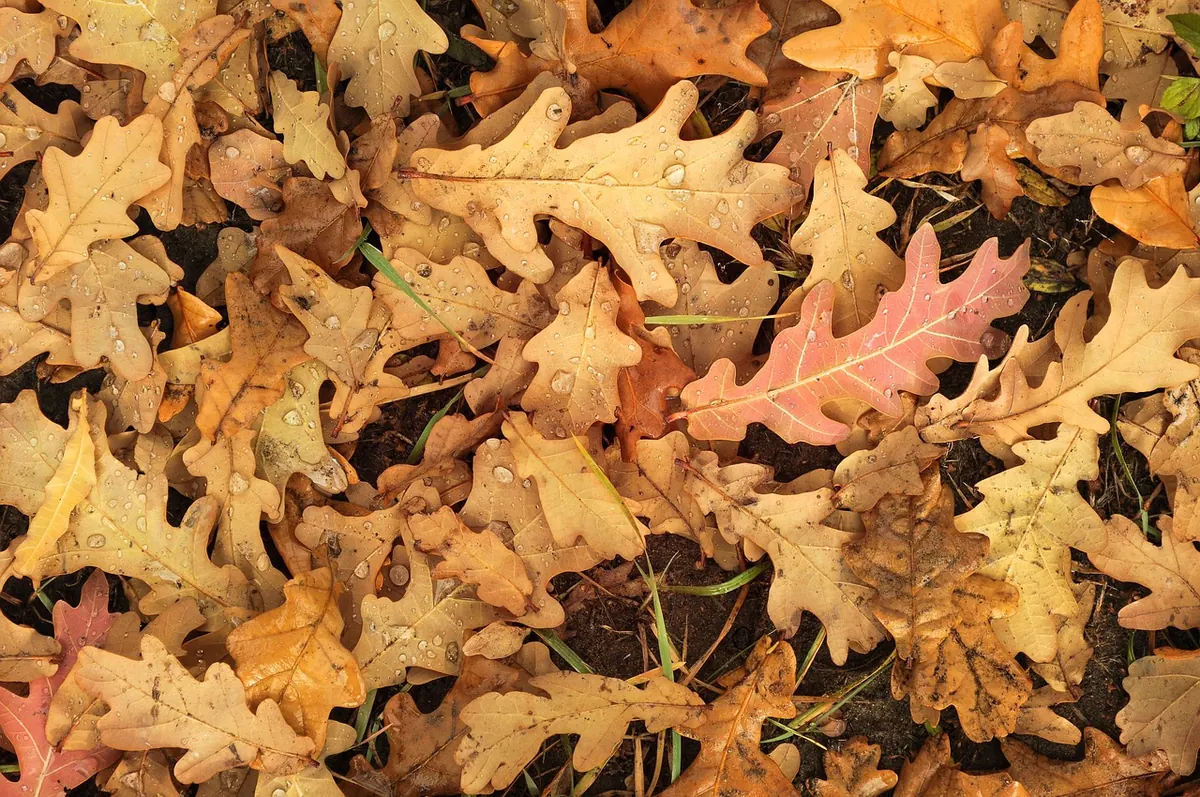
Autumn Leaf Litter: A Field Guide to What It Tells You
What fallen leaves reveal about tree species, soil moisture, fungal decay and the turning season — plus a...